Harland and Wolff - Shipbuilding and Engineering Works
HOME
THE YARDS
A Shipbuilding
Empire
Belfast
Home of the Empire
How it all began
1861-
South Yard / Abercorn Yard
North Yard / Queens Yard
Victoria Yard
East Yard / Musgrave Yard
Docks
Hamilton Dock
Thompson Dock
Alexander Dock
Building Dock
Belfast Dock
Londonderry
Fort George
Glasgow
1911-1966
Govan
1911-1963
A&J Inglis
1919-1962
Hendersons
1917-1935
Greenock
1916-1936
Archibald McMillan & Sons
1916-1932
Liverpool
Under Construction
Southampton
Under Construction
London
1924-1972
London
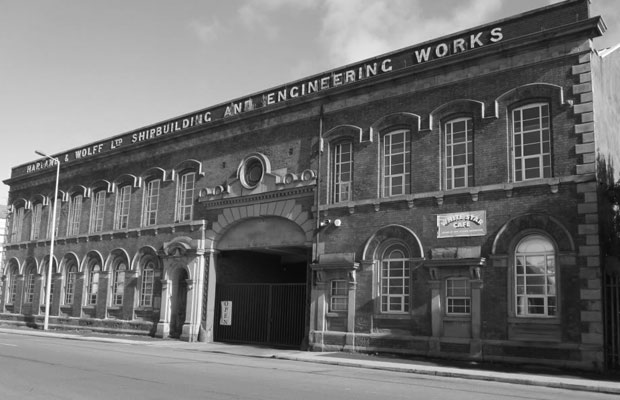
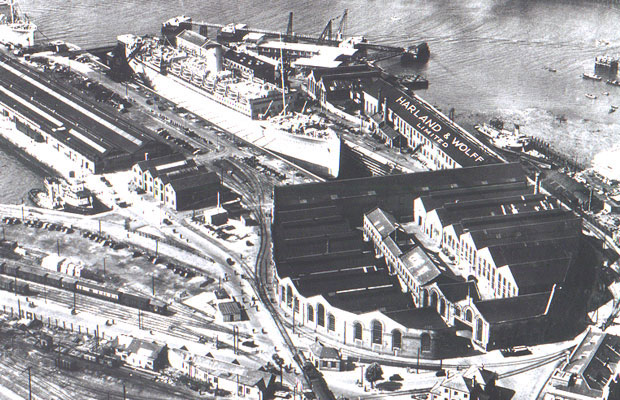
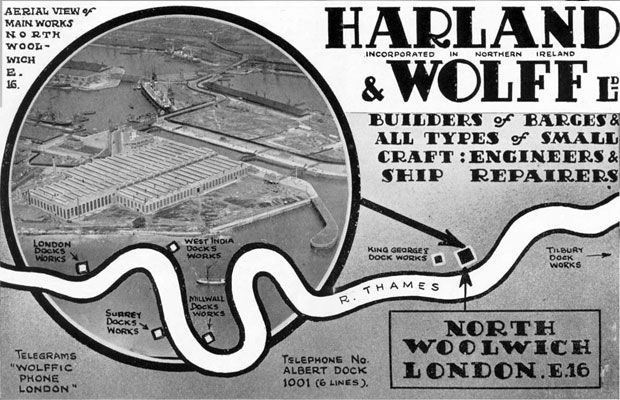
North Woolwich Works
Narrowboats
Woolwich Boats
DEPARTMENTS
Belfast Works
Engine Works
Marine Engines
Diesel Engines
Rail Traction Engines
2 and 4 Stroke
Main Offices
Electrical Drawing Office
EL/DO
Typing Pool
ENG/DO
The Message Boys
The Baker's Dozen
Plan Printing Room
Photographic Department
Steelwork Division
Electrical Division
The Training Centre
Gate No.7
Paint Hall
Paint Hall
Medical Centre
H&W Health Service
The Firemen
THE SHIPS
Built with Pride
List All
The Complete Record
Search
Advanced Options
Preserved Vessels
Narowboats
Ships in Focus
An in-depth look at selected vessels
Yard No. 83 - Britannic (1874)
Yard No. 434 - Andes (1913)
Yard No. 751 - Highland Monarch (1928)
Yard No. 1461 - Irish Coast (1952)
ENGINEERING
Beyond the Ships
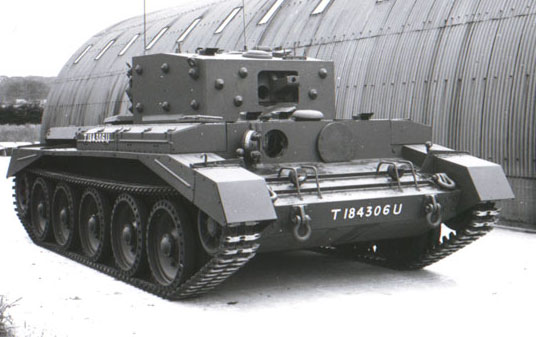
Tanks
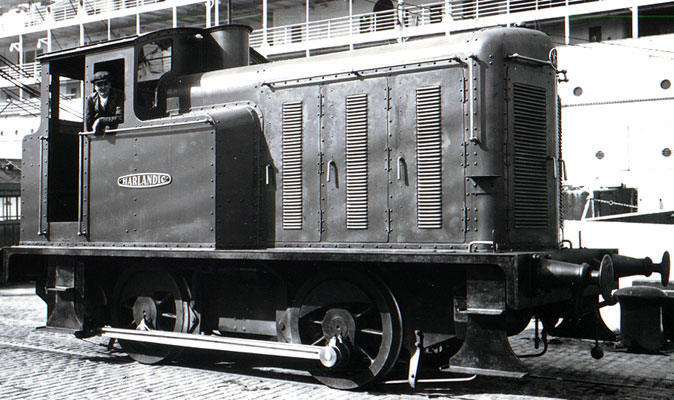
Trains
Planes
Bridges
The Ha'penny Bridge, Dublin
Churches
Industrial Housing
Cooper-Bessemer
Misc
Aircraft Loading Bridges
Falklands Flexiport
Sea Quest
No.85 "Merlin"
THE MEN
Dunchers and
Dungarees
The Partners
Harland, Wolff, Pirrie and Wilson
The Hats
Chairmen, MD's, CEO's
Sir Frederick Rebbeck
Chairman 1930-41 1944-62
Sir Charles Palmour
Chairman 1941-1944
John S Ballie
Chairman 1962-1965
Dr Dennis Rebbeck
Chairman 1965-1966
Sir John Mallabar
Chairman 1966-1970
Joe R Edwards
Chairman 1970
Alan Watt
Acting Chairman 1970-1971
Lord Rochdale
Chairman 1971- 1975
Sir Brian Morton
Chairman 1975-1980
Victor Alexander Cooke
Chairman 1980-1981)
Vivian Wadsworth
Chairman 1981-1982
Sir John Parker
Chairman 1982-1992
Islandmen
(and Women)
Save our Shipyard
Support and solidarity
The War Memorials
We Will Remember Them
Belfast
To Their Memory
Liverpool
A Noble War Record
Southampton
The Supreme Sacrifice
The Bible Class
Nicknames
The Yarns
(and Tall Tales)
The Shipyard Indenture
JW Mullholland
THE CRANES
Samson and
Goliath
Construction
Blueprint
Specification
Engines
Ruston AR2
Crane Model
1:100 scale
H&W ARCHIVE
National Museums
NI
CONTACT
robertc@sky.com
❮
❯
Harland and Wolff
For over 150 years, the Harland & Wolff shipyard has stood as a titan of British engineering and a cornerstone of Northern Ireland's industrial soul. From the iconic slipways of Queen's Island to the cutting edge of modern maritime technology, we remain a national asset for UK manufacturing...
The Ships
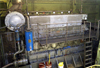
While synonymous with the Olympic-class liners and the legendary RMS Titanic, Harland & Wolff's maritime heritage spans over 150 years of unparalleled naval architecture. Our slipways have birthed a diverse armada...
Dunchers and Dungarees
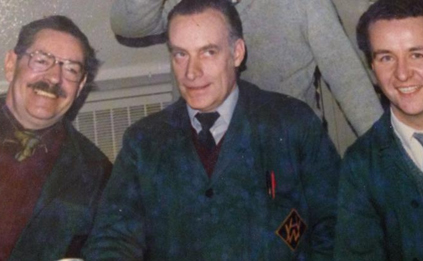
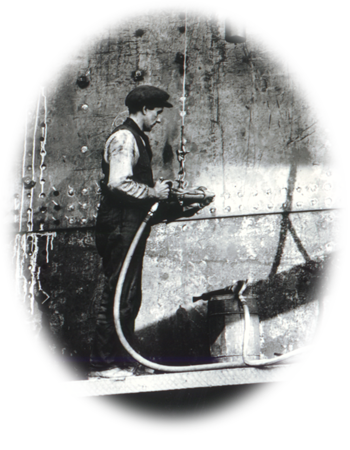
The Harland & Wolff shipyard was forged by men of steel a workforce of hard-handed, self-educated, working-class heroes who built the modern world with sweat and rivets.
Engineering
Engineered structures of virtually every weight and dimension, transforming raw materials into the backbone of global industry.
The Cranes
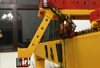
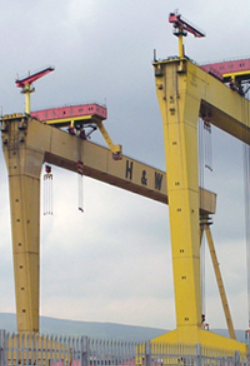
"Dominating the Belfast skyline as twin monuments to industrial power, the Samson and Goliath gantry cranes remain the most iconic symbols of Harland & Wolff's immense lifting capacity."
Harland and Wolff
...
The Ships
...
Dunchers and Dungarees
...
Engineering
...
The Cranes
...
Venetian
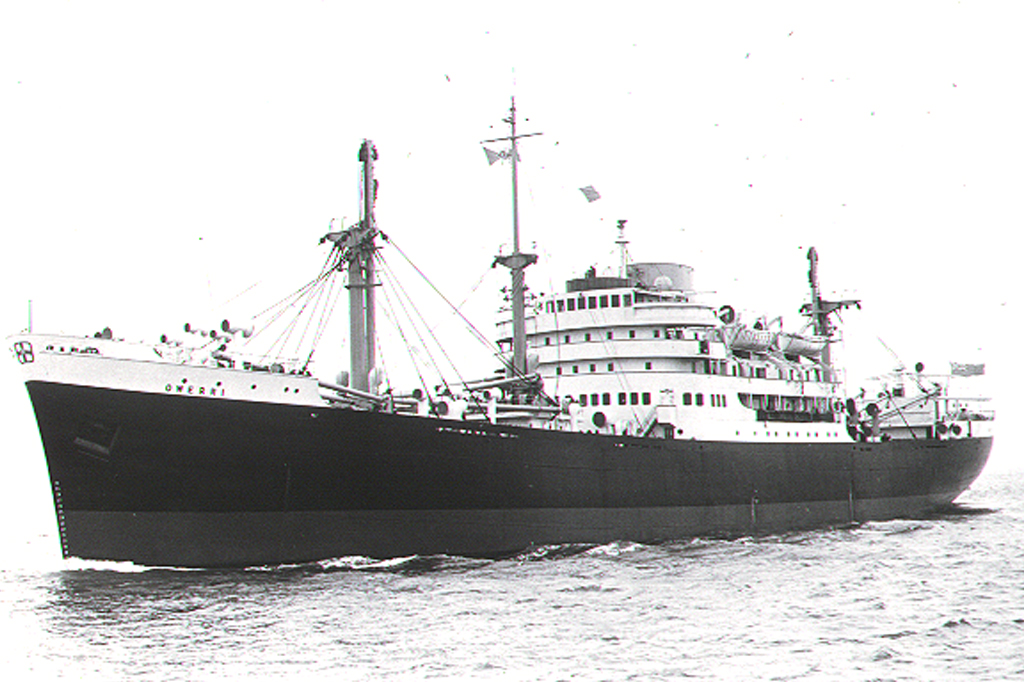
Ship No.1 The first ship to be built at the yard, she was launched on 30th July 1859 and delivered to J. Bibby & Sons on 14th August 1859.
Powered by a 2 cylinder engine she also had a lifting steel screw so that she could use her sails to the best advantage.
In July 1894 she was wrecked on the coast of Chile after sailing from Valparaiso.
Titanic
Ship No. 401
Built in 1912 with a tonnage of 46329grt, a length of 883ft, a beam of 92ft 6in and a service speed of 21 knots.
On 3rd April 1912 the largest ship in the world was handed over and on 10th April she commenced her maiden voyage from Southampton to New York with calls at Cherbourg and Queenstown(Cobh).
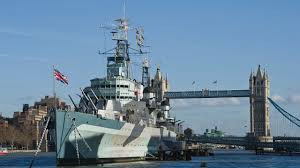
HMS Belfast
Ship No. 1000 she was launched March 1938 by Mrs Neville Chamberlain
The cruiser HMS Belfast is Europe's largest surviving Second World War warship, now permanently moored in the River Thames, close to London Bridge. Now part of the Imperial War Museum, HMS Belfast is the first warship since HMS Victory to be preserved for the nation.
Canberra
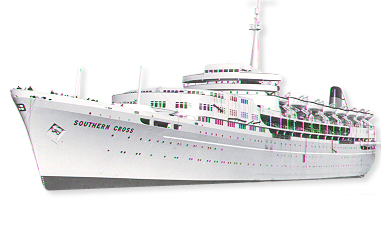
Ship No. 1621 she was launched by Dame Pattie Menzies. Delivered in 1961, was the largest passenger liner to be built in the UK since the Queen Elizabeth.
She adopted a new turbo-electric propulsion system with distinctive Twin funnels. To reduce topside weight, her superstructure was made from 1000 tons of aluminium which also improved stability and permitted a greater volume of public rooms to be available 'up top'.
Broken up at Alang 1998.
Sea Quest
The largest oil rig launched in in the UK. The first structure of this nature and size in the world to enter the water in one peice. Built for BP at a cost of 3.5 million pounds and launched on 8 January 1966. The entire structure was 320 feet (98 m) high and weighed 150,000 tons, including three legs each 35 feet (11 m) in diameter and 160 feet (49 m) long. Owing to its great size the rig occupied three slips of the Musgrave yard.
Samson and Goliath
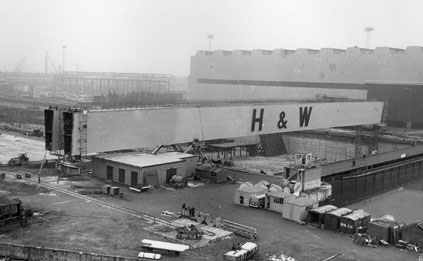
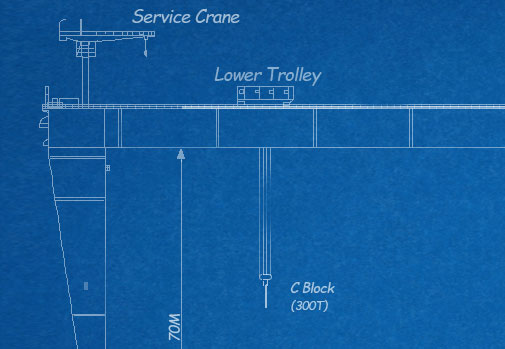
Goliath being completed in 1969 and Samson, in 1974. Goliath stands 96 metres (315 ft) tall, while Samson is taller at 106 metres (348 ft). Goliath, the smaller of the two sits slightly further inland closer to Belfast City. Both cranes are still in operation.
Glomar C.R. Luigs and Glomar Jack Ryan
, two new ultra deepwater drillships. Both vessels delivered early 2000 were designed for an ultimate drilling capability of a 35,000 foot well in water depths up to 12,000 feet.
Anvil Point
The last ship to be built at Harland and Wolff set sail from Queen's Island on Saturday the 22nd March 2003 at approx 5:30pm , ending almost 150 years of shipbuilding at the famous yard.
COASTAL CORPUS CHRISTI
Built in 1977 she was largest ship to be built at the Belfast yard, a Crude oil tanker she was to be originally named Coastal Texas.
An overall length of 1205Ft(367M) she was powered by a H&W Stal-Laval single turbine 36,000 SHP
In 2002 she was sold to Indian shipbreakers and arrived at Alang 13 January 2002 for demolition.
The Musgrave (East) Yard
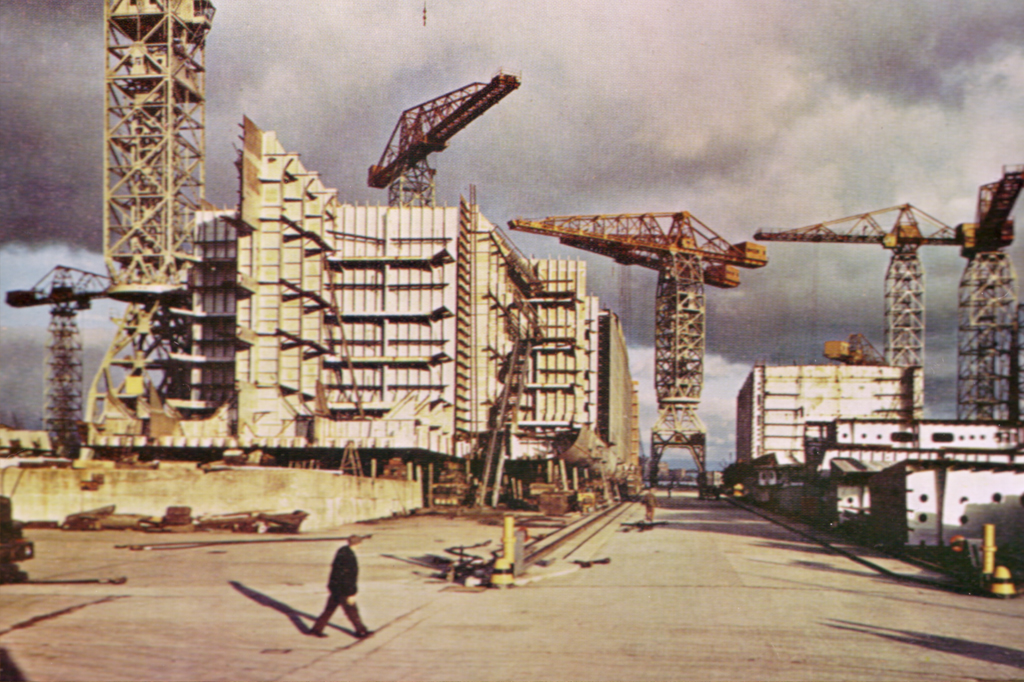
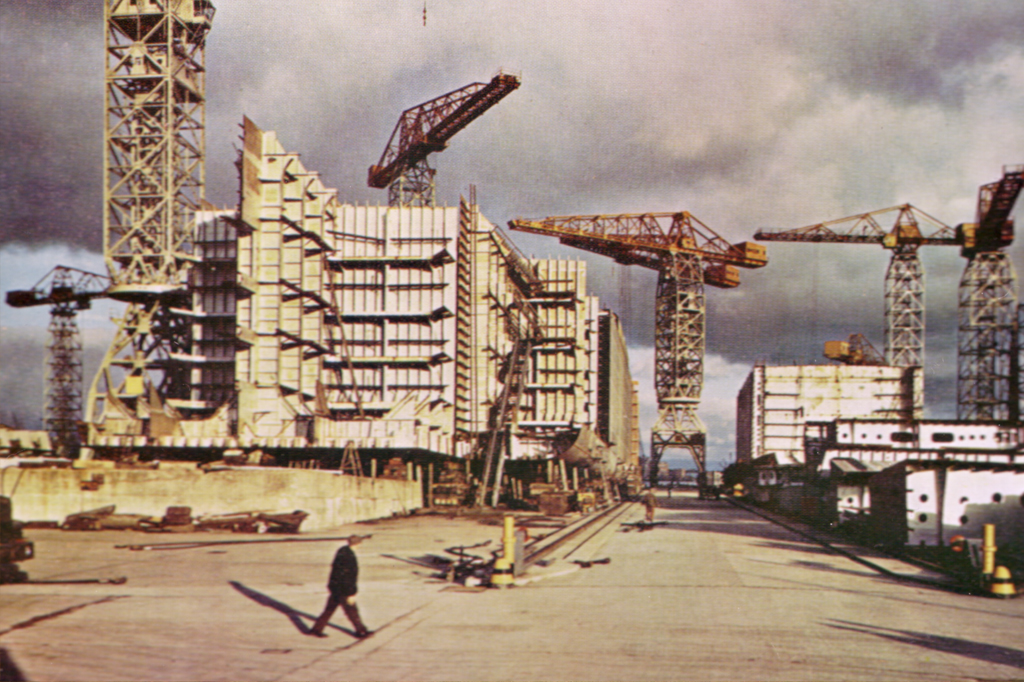
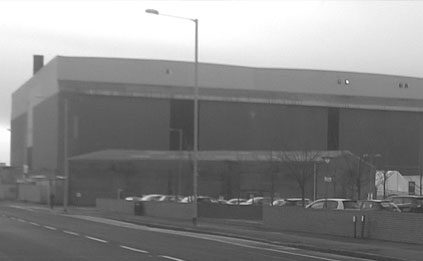
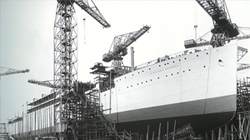
Within Harland & Wolff there were four quite separate shipyards; Queens with 3 slips, the Abercorn and the Victoria with 4 slips each and the Musgrave (also known as East Yard) which had 6 slips. With shipbuilders being as superstitious as seafarers no slip was ever given the number 13 and no ship would ever have been launched on a Friday the 13th!

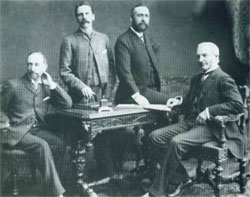 The PartnersHarland, Wolff, Pirrie and Wilson
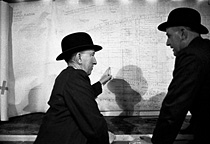 The HatsChairmen, MD's, CEO's
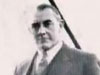 Sir Frederick RebbeckChairman 1930-41 1944-62
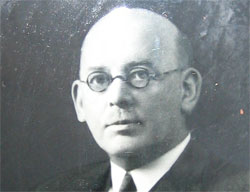 Sir Charles PalmourChairman 1941-1944
 John S BallieChairman 1962-1965
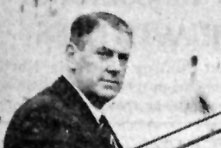 Dr Dennis RebbeckChairman 1965-1966
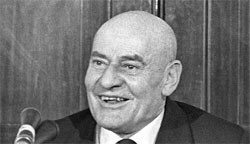 Sir John MallabarChairman 1966-1970
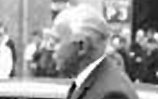 Joe R EdwardsChairman 1970
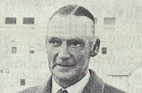 Alan WattActing Chairman 1970-1971
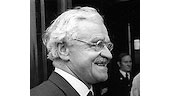 Lord RochdaleChairman 1971- 1975
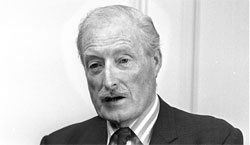 Sir Brian MortonChairman 1975-1980
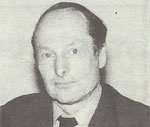 Victor Alexander CookeChairman 1980-1981)
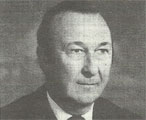 Vivian WadsworthChairman 1981-1982
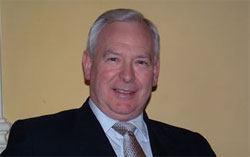 Sir John ParkerChairman 1982-1992
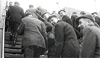 Islandmen(and Women)
 Save our ShipyardSupport and solidarity
 The War MemorialsWe Will Remember Them
 The Bible Class
 Nicknames
 The Yarns(and Tall Tales)
 The Shipyard IndentureJW Mullholland